Skip to content

Prostate cancer screening

Having your prostate checked, being told your PSA is slightly raised, waiting for the result of an MRI or a biopsy: these moments often raise questions, and sometimes worry. We take the time to explain each test, what it is for and what its results mean. At the practice, Dr Caroline Carera Sager and Dr Johannes Hauser, FMH urologists in Geneva, can both support you, from the PSA test through to a biopsy when one is needed.
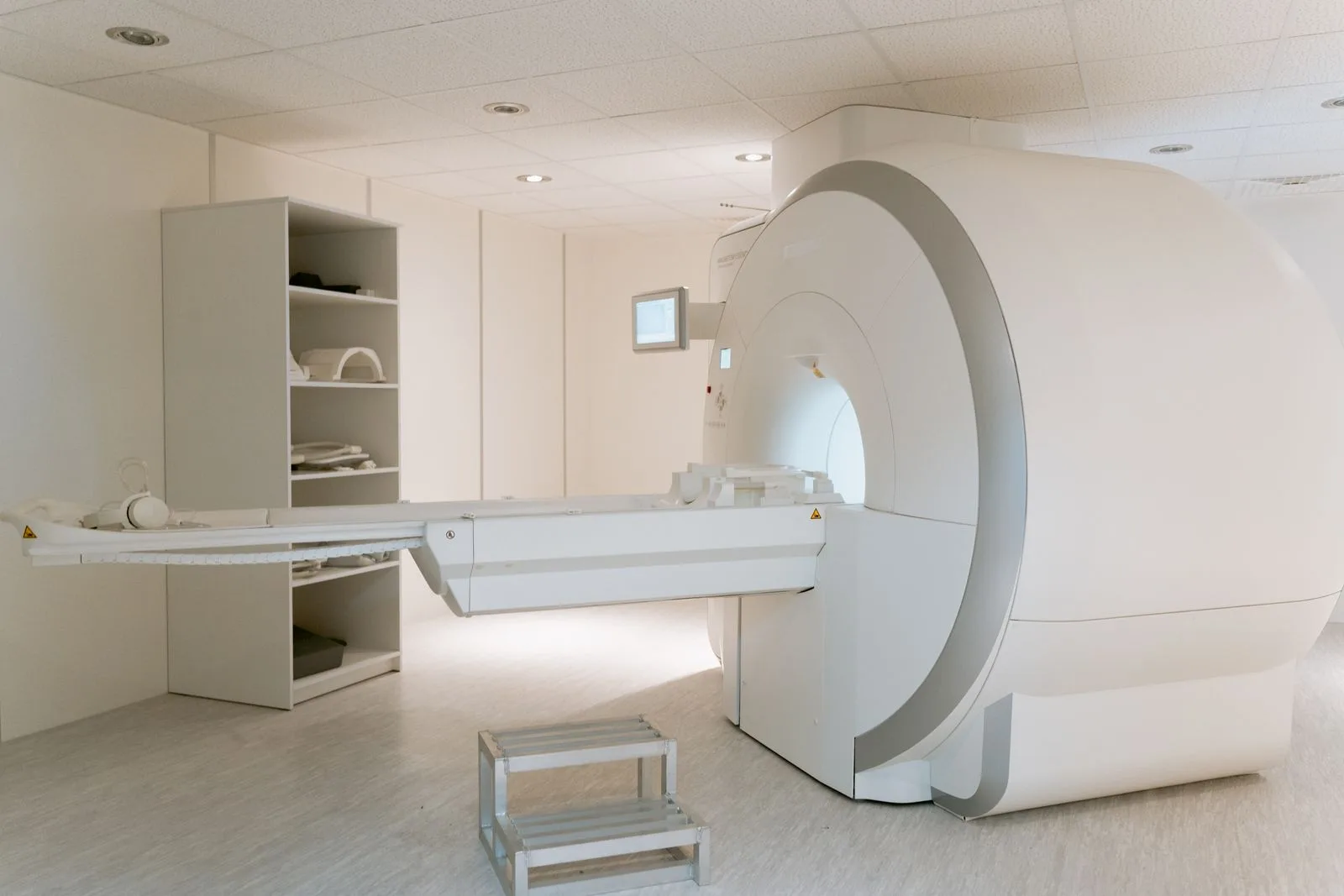
MRI scanner in an imaging department

Your care pathway

  1. A first conversation

    Your medical history, any symptoms and your questions. Together we discuss whether screening is worthwhile for you.

  2. PSA and examination

    A blood test and, depending on the case, a digital rectal examination or an ultrasound scan at the practice.

  3. If needed, an MRI

    It identifies suspicious areas and helps decide whether a biopsy would be useful.

  4. If needed, a biopsy at Clinique La Colline

    Targeted samples, guided by fusing the MRI and ultrasound images.

  5. Your results, explained

    At a dedicated consultation, with time to answer your questions.

Why talk about it before you have symptoms

Prostate cancer is the most common cancer in men. In its early stages, it usually causes no symptoms: this is why the prostate is checked before any signs appear.

This cancer often progresses slowly. Some cases only need monitoring, others need treatment. The whole point of screening is to tell them apart: to detect early those that need treating, without needlessly treating those that pose no threat to health.

Urinary problems (weak stream, getting up at night, frequent urges) are far more often linked to benign prostatic hyperplasia, a non-cancerous increase in its size. They still deserve a urologist’s opinion. At a more advanced stage, other signs may appear, such as blood in the urine or semen, or bone pain. Any unusual sign is a reason for a consultation.

Should you be screened, and from what age?

Screening is a personal decision that you make with your doctor:

  • generally from the age of 50;
  • earlier, often from 45, if your father or a brother has had prostate cancer.

Screening makes it possible to find a cancer at a stage when several treatments are possible. It also has limits: it can lead to further tests, or reveal cancers that would never have caused a problem. These points are explained to you so that you can make an informed decision.

See also the information sheet I would like to have my prostate checked.

What happens: the prostate check

  • The conversation: any symptoms you may have, cancers in your family, your medicines.
  • The PSA test: a simple blood test. PSA is a protein made by the prostate. A raised PSA does not mean cancer: it can also be explained by benign enlargement, an infection or inflammation of the prostate.
  • An ultrasound scan, if needed: a probe covered with gel, placed on the abdomen, gives an image of the prostate and bladder. It is done at the practice and does not hurt.

The digital rectal examination, depending on the case. This is the examination that people find most awkward, and it is normal to think about it beforehand. You lie on your side or bend forward. The doctor gently inserts a gloved, lubricated finger into the anus and feels the prostate, which lies just in front of the rectum.

The examination lasts a few seconds. It may be uncomfortable, sometimes with a brief urge to pass urine, but it is usually only slightly painful, if at all. It makes it possible to assess the size and consistency of the prostate, which no blood test can tell.

If the PSA is raised or the examination is abnormal

  • A repeat PSA test may be offered first, to confirm the value.
  • An MRI of the prostate: this imaging test, which uses no radiation, is done lying in a tunnel-shaped scanner. It identifies suspicious areas and helps decide whether a biopsy is really needed.
  • A 3D MRI fusion biopsy, at Clinique La Colline: a biopsy means taking very small samples of the prostate to examine them under a microscope. It is the only test that can confirm or rule out cancer.

What happens: the fusion biopsy

A biopsy is daunting, and that is quite normal. Knowing how it is done often helps people approach it more calmly. It takes place at Clinique La Colline.

  • Before: how to manage any blood-thinning treatment (anticoagulants, antiplatelet drugs) is discussed with your doctor in advance. Please also mention any allergies.
  • During: you lie down. A thin ultrasound probe is placed in the rectum. On the screen, the images from your MRI are overlaid in real time on the ultrasound images: this shows the doctor exactly where the suspicious areas are, so the samples can be taken from them.
  • What you feel: how the area will be numbed is explained to you beforehand. Each sample comes with a small click from the device and a brief sensation. You can ask to be told before each one.
  • Afterwards: a little blood in the urine, semen or stools is common for a while. This is expected. However, fever, shivering or difficulty passing urine are reasons to call the practice without waiting. If the secretariat is closed, go to the HUG emergency department.

How the tests are carried out is also described in detail on the page Urological tests at the practice.

The waiting time

Waiting for a result, whether PSA, MRI or biopsy, is often the hardest part. The mind races, and nights can be restless. This worry is common and legitimate.

  • Know when: at the time of the test, ask when and how you will be given the result. That way you are not waiting by the phone.
  • Write down your questions: noting them as they come eases the mind, and you will have them to hand at the consultation.
  • Stick to reliable sources: what you read online rarely describes your situation. Your urologist is the right person to answer you.
  • Talk about it: to someone close to you, or to the practice if a question cannot wait.

The results and what comes next

Your results are explained to you at a dedicated consultation, taking the time to answer your questions. You are welcome to bring someone with you.

  • No cancer: PSA follow-up is arranged according to your situation.
  • Low-aggressive cancer: active surveillance may be offered. Treatment is not started straight away, but PSA, MRI and sometimes a biopsy are checked regularly.
  • Treatment needed: the options (surgery, radiotherapy, hormone therapy) are discussed with you. If surgery is being considered, it is performed by Dr Hauser: see the page Prostate cancer surgery. Radiotherapy is provided by radiation oncologists.

If cancer is found, nothing is decided in a hurry on the day you are told. You can ask your questions again, take time to think and ask for a second opinion.

Those close to you

Someone close to you often lives through the wait with you, and has the same questions.

  • Being there: if you wish, a trusted person can come to the results consultation. Two people remember more information than one.
  • Understanding: reading this page together helps you share the same points of reference.
  • Choosing: you decide who is told, and what.

And if one of your brothers or your son is wondering whether he should have a check, he can talk to his doctor about it: family history counts in the decision.

Your doctors

Dr Caroline Carera Sager, FMH urologist

Dr Caroline Carera Sager

FMH specialist in urology

Consultations, screening, tests and assessment. In French, Italian and English.

Her background

+41 22 732 87 68

Dr Johannes Hauser, FMH urologist

Dr Johannes Hauser

FMH urological surgeon

Consultations, screening, tests, assessment and surgery. In French, German and English.

His background

+41 22 732 87 57

Frequently asked questions

From what age should you have your prostate checked?
A prostate check is generally discussed from the age of 50, and earlier, often from 45, if there is a family history of prostate cancer. It is a personal decision, to be made with your doctor after being informed of the benefits and limits of screening. In Geneva, Dr Caroline Carera Sager and Dr Johannes Hauser, FMH urologists, carry out this check at the practice on boulevard James-Fazy.
What are the symptoms of prostate cancer?
In its early stages, prostate cancer usually causes no symptoms, which is why it is worth discussing it with your doctor before they appear. Urinary problems are more often due to benign prostatic hyperplasia, a non-cancerous increase in its size. Blood in the urine or semen, or bone pain, are reasons for a consultation.
Does a raised PSA mean cancer?
No. PSA, a protein made by the prostate and measured with a blood test, can rise because of benign enlargement, an infection or inflammation of the prostate. A raised PSA calls for a urological assessment, which often includes an MRI of the prostate before deciding whether a biopsy is needed.
What is an image-fusion prostate biopsy?
It involves taking very small samples of the prostate, guided both by ultrasound and by the images of an MRI performed beforehand. Overlaying the images makes it possible to target the suspicious areas precisely. It is performed at Clinique La Colline, in Geneva, with the UroNav 3D MRI image-fusion system.